Begin with a collecting question
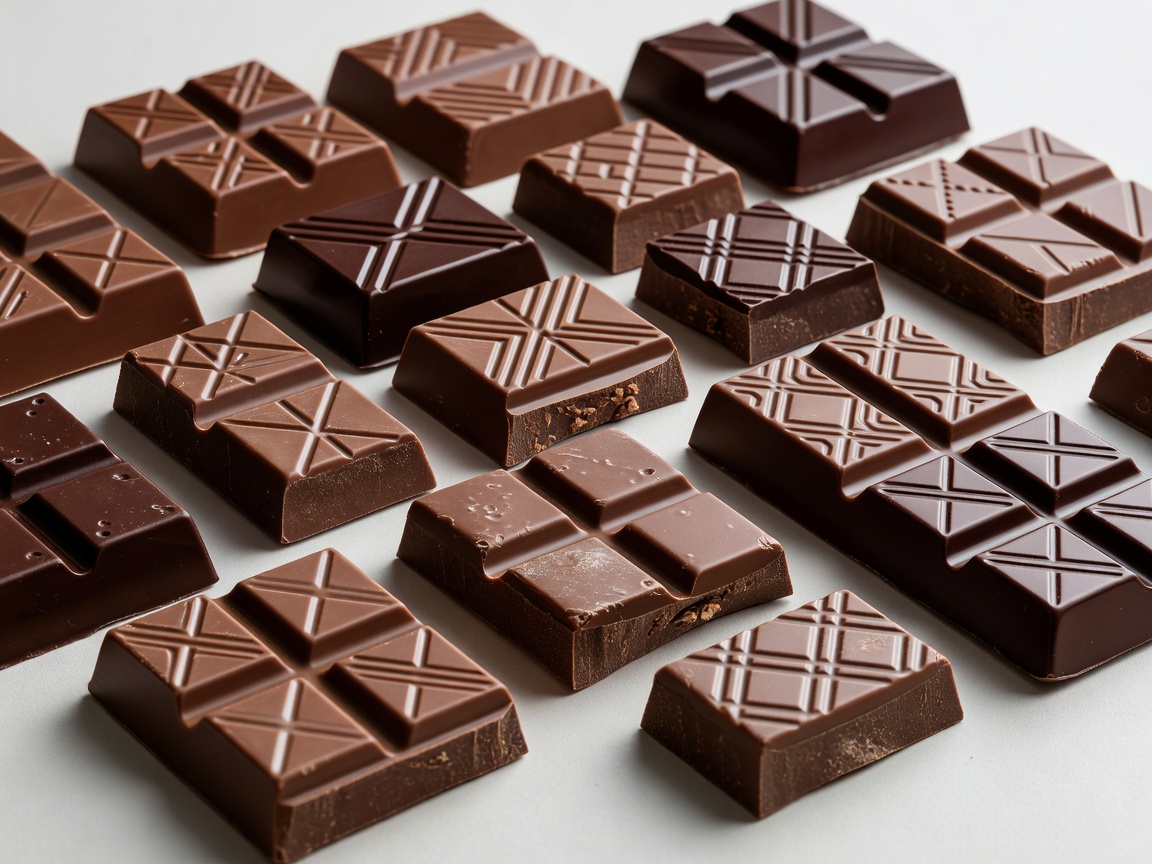
“Chocolate library” is a descriptive term, not a universal accreditation. It may refer to a maker’s reference shelf, an educational tasting collection, a specialist shop’s study selection or a museum archive. Before judging its breadth, ask what it is intended to explain. A small shelf comparing fermentation approaches can teach more about that question than an enormous assortment organised only by price.
A clear collecting question also sets boundaries. You might compare bars made with cacao from one named region, investigate the changing design of moulds, or assemble material about the history of drinking chocolate. These are different projects. Combining them can be rewarding, but the catalogue should make those differences visible rather than imply that every object provides the same kind of evidence.
The edible shelf and the enduring archive
Chocolate is a changing material. Aroma, texture and appearance can shift during storage, so a tasting collection cannot be treated exactly like a bookshelf. A working library needs a rotation plan, acquisition dates and attention to the maker’s storage guidance. Keep samples away from strong odours, excess heat, moisture and direct light. Preserve ingredient and allergen information with every sample, including pieces removed from their original wrapper.
The enduring archive may hold packaging, photographs, correspondence, production diagrams and tasting records after a sample is gone. These materials answer questions that eating cannot. A wrapper can document a historical claim or a design convention; it cannot prove the flavour of the bar that once occupied it. Separating the physical object, the maker’s account and the curator’s interpretation keeps an archive intellectually honest.
Make a catalogue someone else can use
A practical record starts with maker, product name, cacao percentage, ingredient list, lot or batch reference when available, purchase date and stated origin. Add the source of each claim. “Origin reported on wrapper” is more precise than silently treating the wrapper as independent verification. If a harvest year or fermentation detail is unknown, record that absence rather than filling it with a plausible story.
For tasting samples, note when the package was opened and how the chocolate was stored. Record the tasting date, serving conditions and whether the sample was identified or blind. Someone returning to your notes should be able to distinguish “this bar tasted different” from “these tastings happened under different conditions.” Neither a spreadsheet nor a formal database is essential; consistency is.
Arrange comparisons, not competitions
A collection display can quietly shape a visitor’s conclusion. Putting the highest percentage at the end of a sequence may suggest a ladder of sophistication. Grouping by production variable instead invites investigation. Compare two recipes from one maker, or bars sharing a stated origin but made by different producers. Explain what remains uncontrolled: genetics, post-harvest handling, roast, recipe and storage may all differ.
Use modest sample sets and offer water, time and permission to stop. Ask visitors to describe before deciding whether they like something. A preference is useful personal information, but it is not evidence that another taster lacks skill. Collection labels should also distinguish plain chocolate from products containing inclusions, added flavours or alternative ingredients, since these can change the purpose of a comparison.
Read institutions in their own context
The Schokoladenmuseum Köln and Choco-Story Bruges are useful starting points for exploring chocolate through museum interpretation. Cité du Chocolat, associated with Valrhona in Tain-l’Hermitage, illustrates a manufacturer-led educational setting. These contexts do not invalidate the material; they help explain why particular stories, objects and techniques receive attention.
When researching a collection, ask who selected the objects, which communities are represented and whether the account includes agricultural labour alongside manufacturing. Maricel E. Presilla’s The New Taste of Chocolate offers one book-length route into cacao diversity and production context. Like any source, it is best read alongside more recent producer information and clearly dated records.
Leave space for revision
A living collection improves when it can be corrected. Keep earlier notes, attach new evidence and make the reason for a change understandable. If a maker updates an origin statement, do not silently rewrite your historical record. Preserve what the label said at acquisition and add the newer information. This approach turns the library into a place for learning, rather than a display that must appear certain about everything.